“Ama” in Japanese means “woman of the sea.”
A gentle name that carries with it the breath of salt, the silence of water, and the memory of an ancient gesture: that of the free-diving fisherwomen who, for over two thousand years, have descended into the depths in search of light.
Today, the culture of the Ama is fading, like a song lost among the waves.
And yet, within that deep dive lies a lesson that still speaks to us:
the Ama seek pearls — and pearls, for the oyster, are nothing more than waste,
an imperfection transformed into splendor.
This is
where our metaphor is born.
In our work, like the Ama, we dedicate ourselves to seeking out forgotten
values.
We ask ourselves what “waste” truly means.
Perhaps it is only what we have stopped looking at closely.
Through design and creative practice, we try to bring these traces back to the
surface —
to restore form and dignity to what once seemed lost,
to discover that even discard can become a pearl.
Like the Ama, we dive
into the sea of the forgotten, the abandoned.
And from those depths, we resurface each time with something that shines.
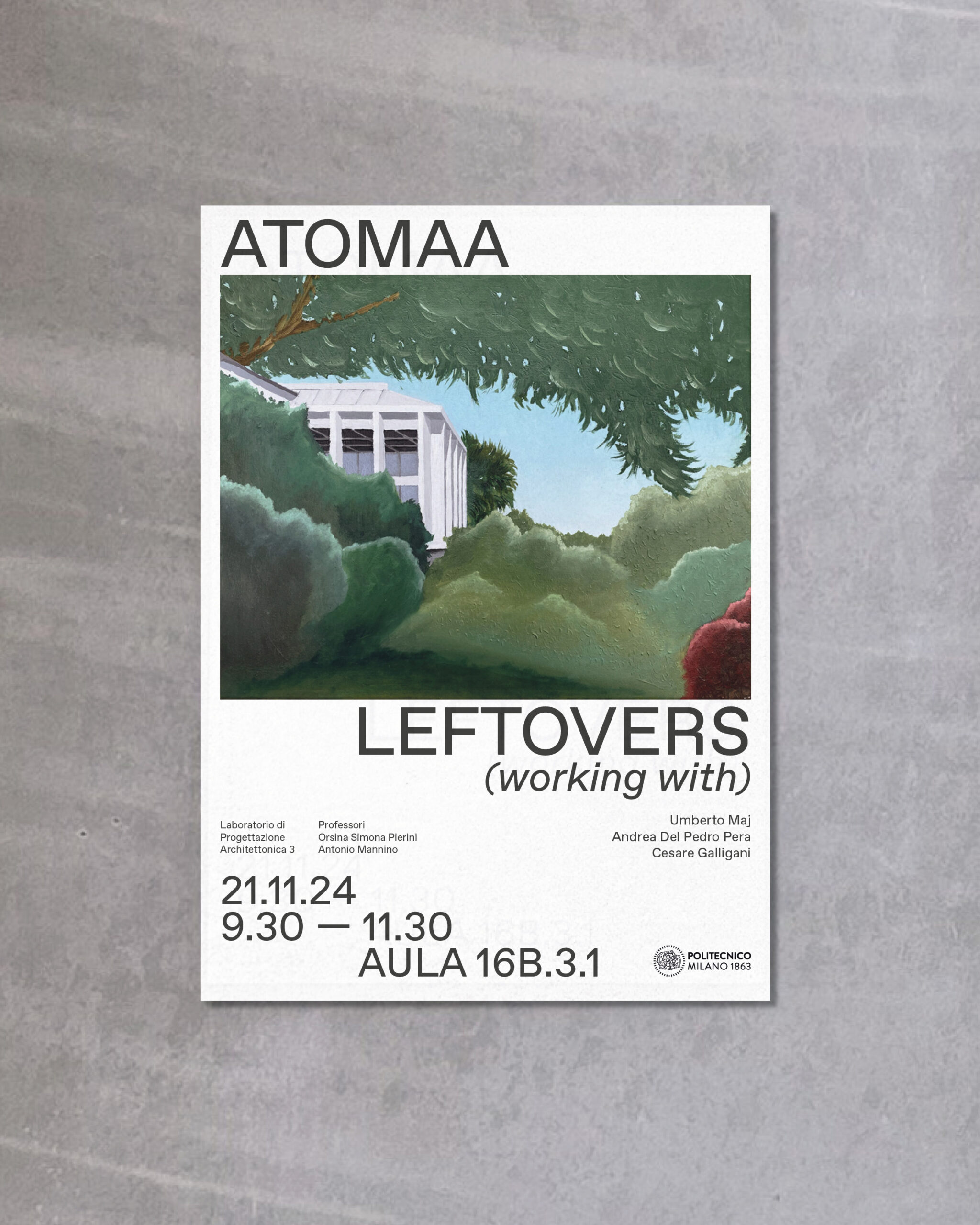
The lecture
“LEFTOVERS (working with)” speaks of a challenge as humble as it is necessary —
one shared by many small studios like ours that strive, today, to practice
Architecture: the challenge of engaging with what already exists, often
fragile, sometimes marginal.
It is a work on what is left — on the remnants, the scraps, on
what remains, and precisely because it remains, still holds a silent memory.
Within these forgotten fragments, we find the possibility of rebirth — of a new
narrative that weaves together material and hand, place and person.
There, where architecture becomes an act of care and of listening, takes shape
a reflection on (re)inhabiting as an act of rediscovery and experimentation.
The first resource we want to take care of is space.
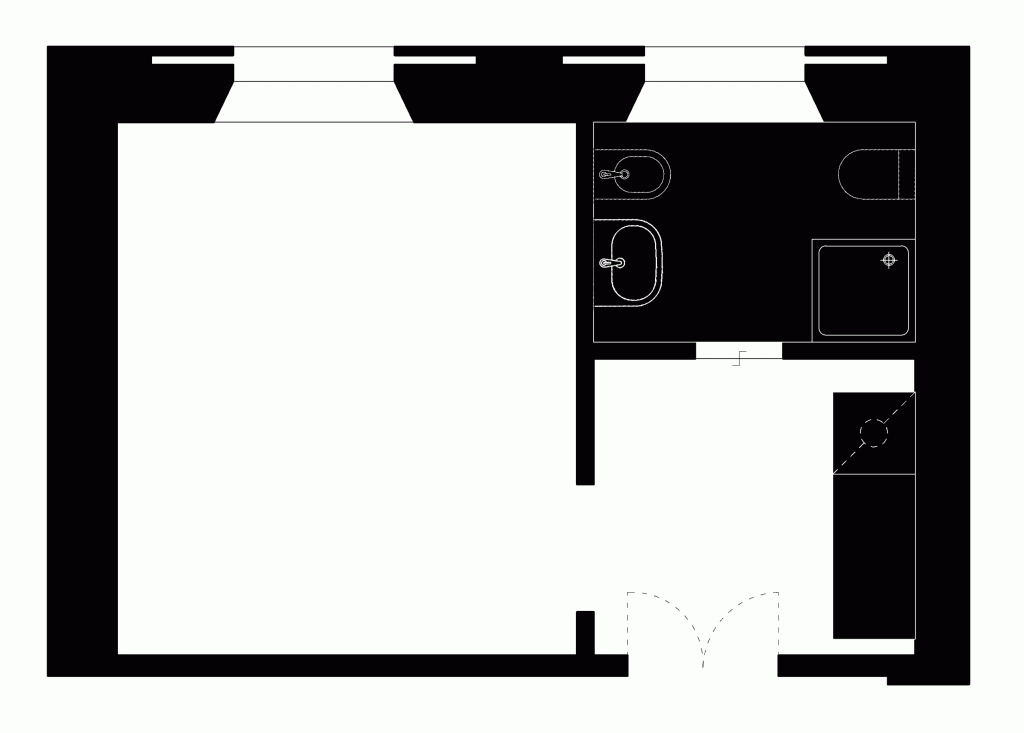
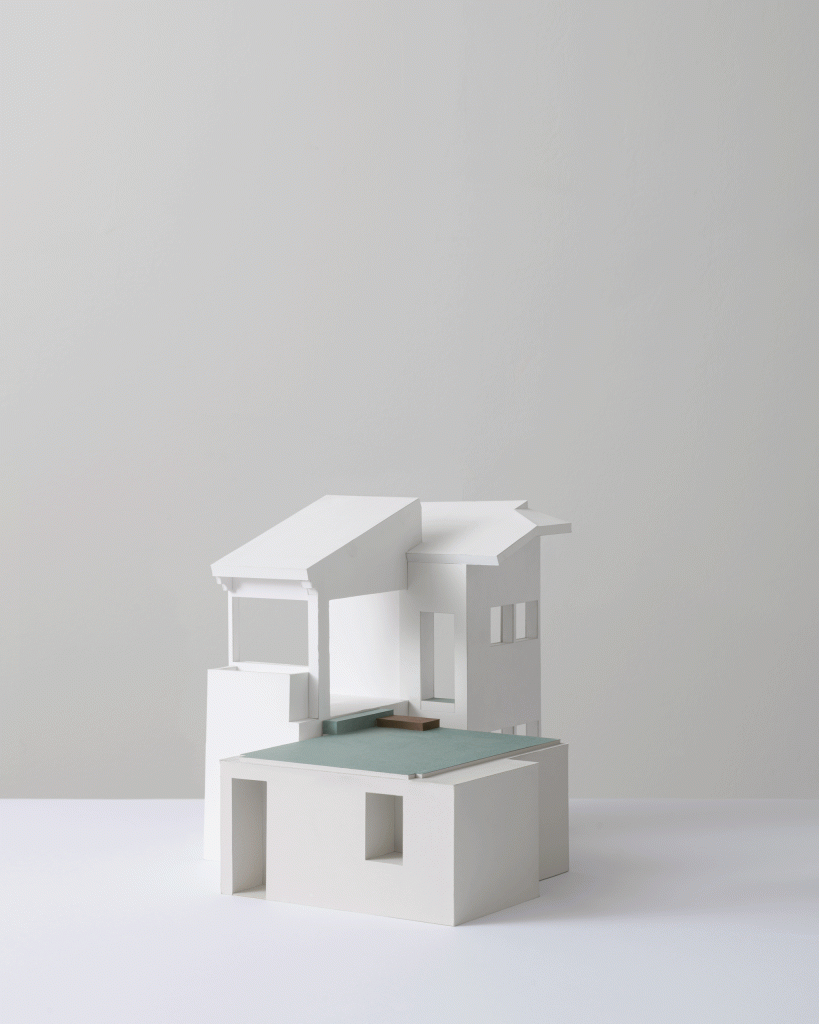
Our work on micro living aims to rediscover the values we truly assign to space, beyond its material dimension: it becomes an opportunity to explore, more intimately, the very act of inhabiting.
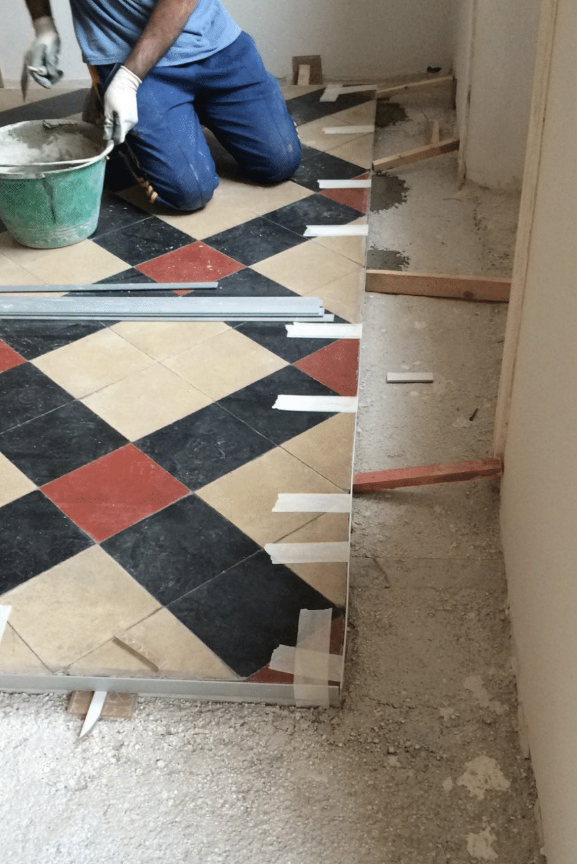
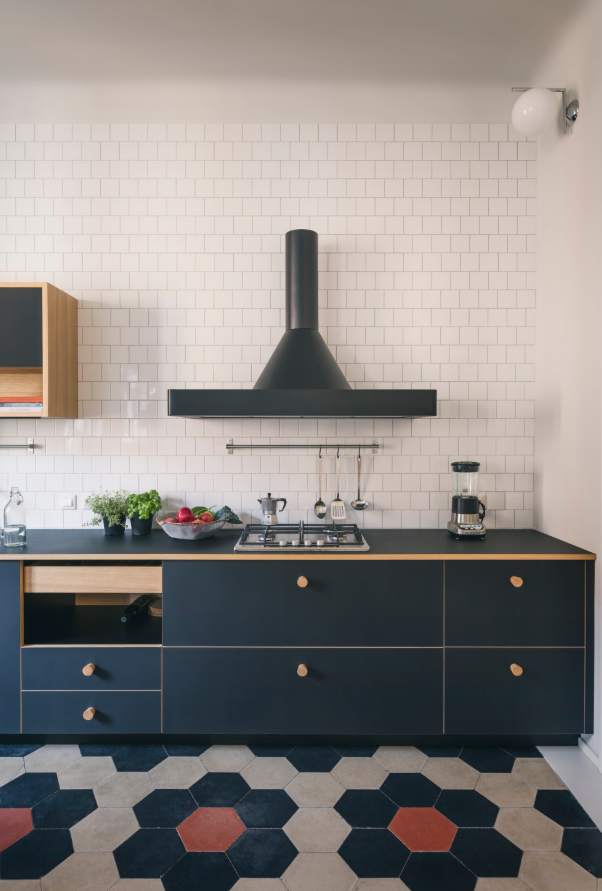
The second is material, which carries within it the craft of those who shaped it and the dreams of those who chose it for their home.
And when it comes to a legacy from the past, the choice between starting from scratchand rediscoveryis never straightforward.
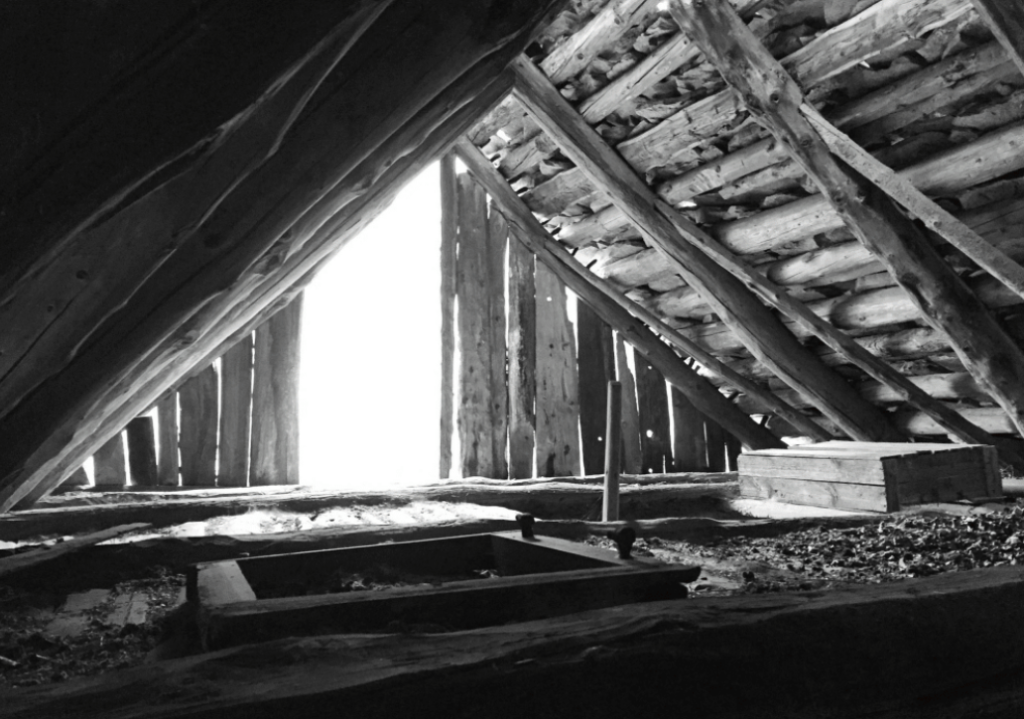
The ruin is the ultimate form of discard: a testimony to a relationship with creation that modernization has marginalized.
Not without effort — technical and structural as well — what is decayed can once again host a different life, it is true, but it can also restore dignity to both the land and its cultures.
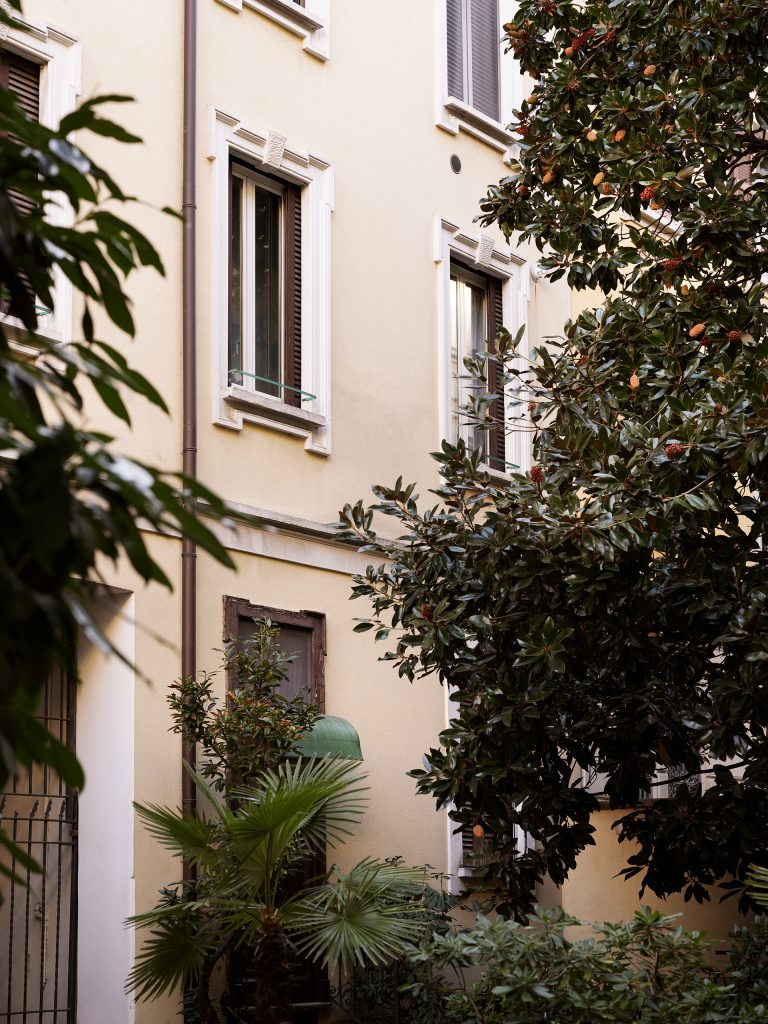
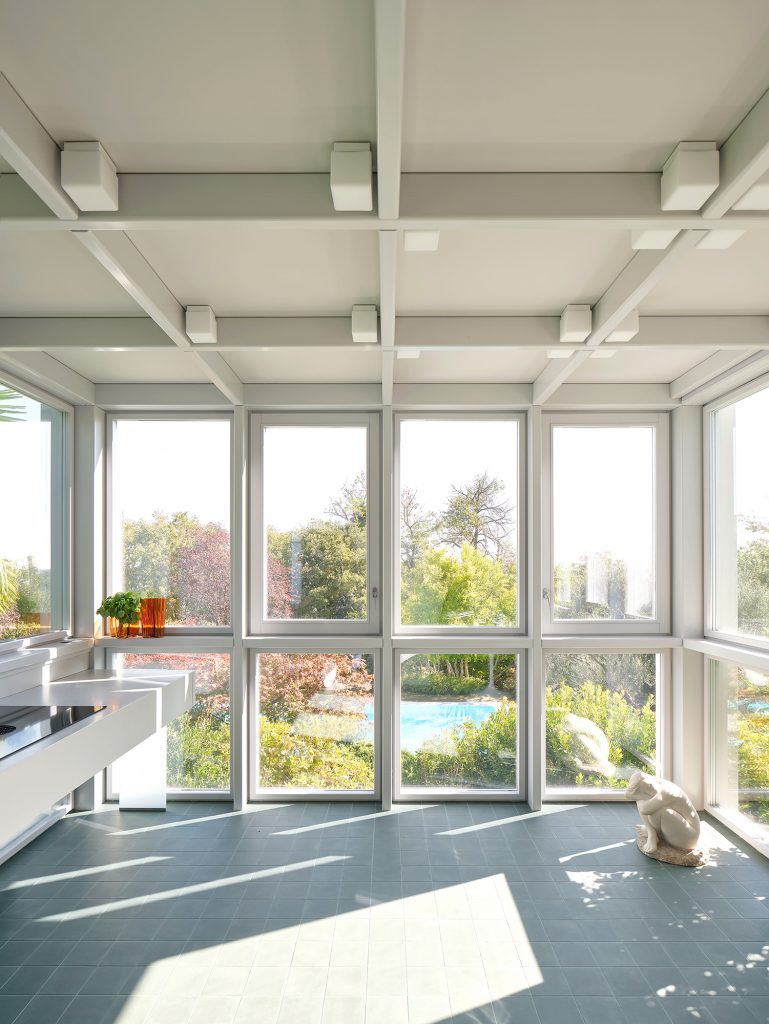
Even in the city of dispersion, where a client sees a terrace as a secondary space, we see an opportunity to enhance the landscape and give a new heart to the home.
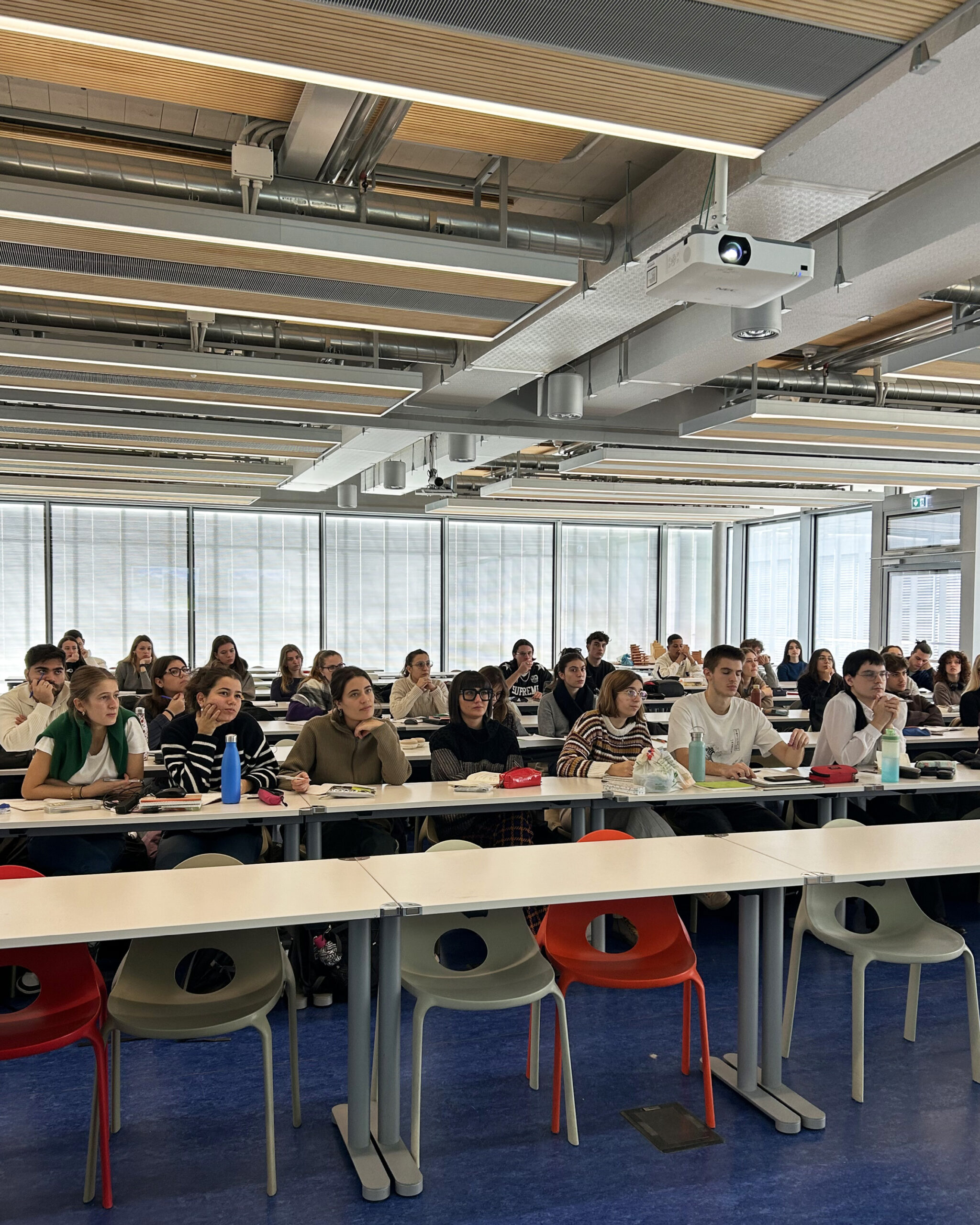
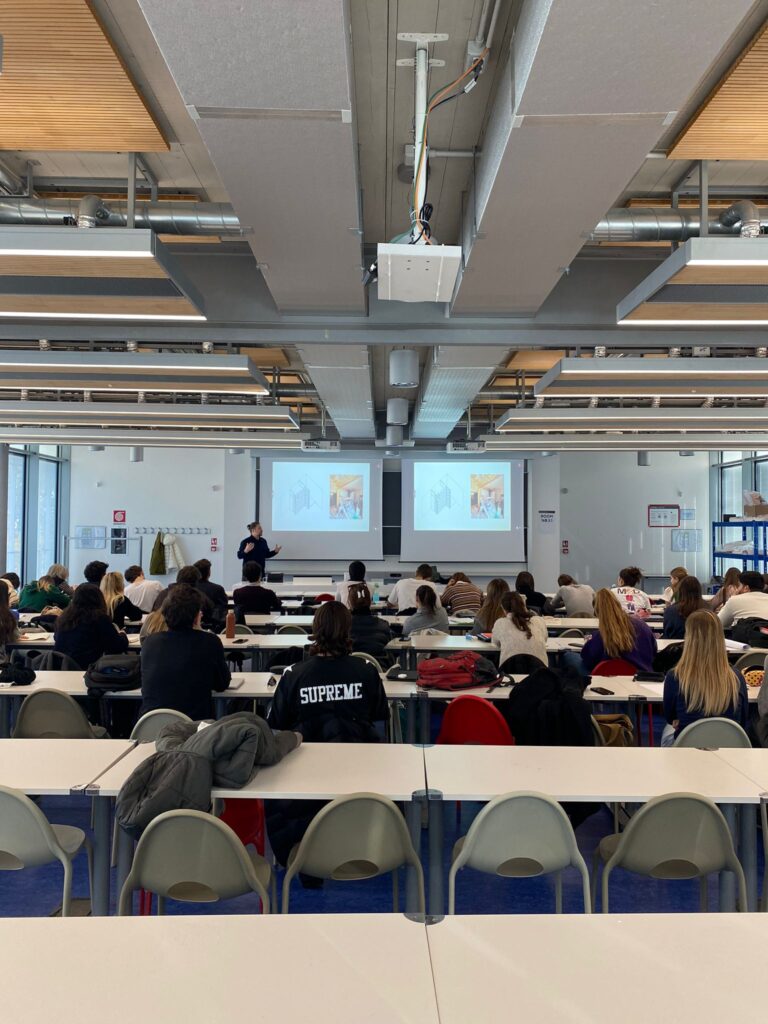
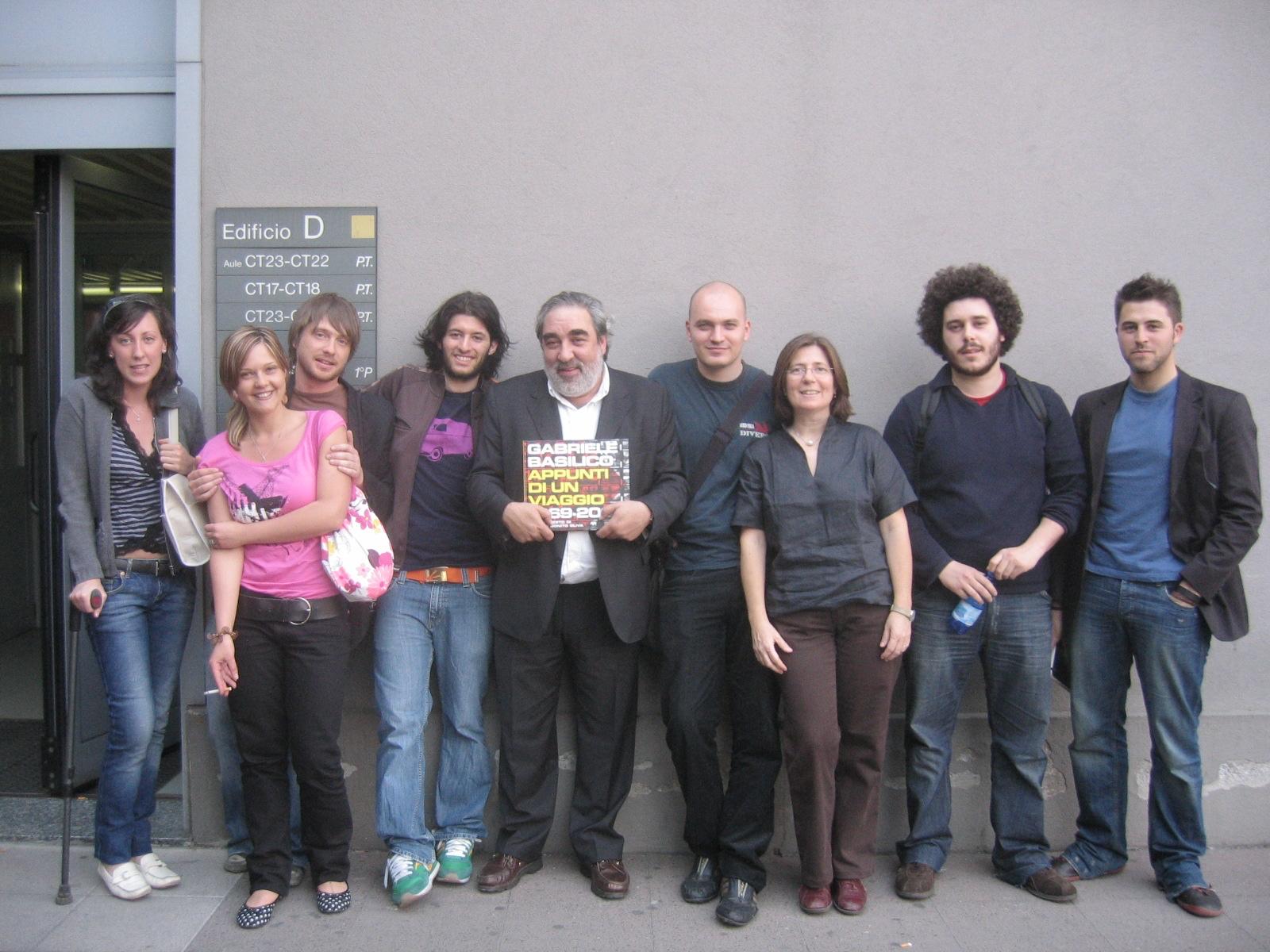
This lecture is a response to an invitation from Simona Orsina Pierini to share our journey with her students in the 3rd-year Design Studio at the Politecnico di Milano.
We sincerely thank Simona for the opportunities to collaborate over the years, and also for reminding us of the photograph beside this text, taken in 2006 when we were her students.
It is precisely thinking of the “students” we were back then that inspired the creation of this narrative.
This website uses cookies to improve your experience. We'll assume you're ok with this, but you can opt-out if you wish. ACCEPT
Privacy & Cookies Policy
Privacy Overview
This website uses cookies to improve your experience while you navigate through the website. Out of these cookies, the cookies that are categorized as necessary are stored on your browser as they are essential for the working of basic functionalities of the website. We also use third-party cookies that help us analyze and understand how you use this website. These cookies will be stored in your browser only with your consent. You also have the option to opt-out of these cookies. But opting out of some of these cookies may have an effect on your browsing experience.
Necessary cookies are absolutely essential for the website to function properly. This category only includes cookies that ensures basic functionalities and security features of the website. These cookies do not store any personal information.
Any cookies that may not be particularly necessary for the website to function and is used specifically to collect user personal data via analytics, ads, other embedded contents are termed as non-necessary cookies. It is mandatory to procure user consent prior to running these cookies on your website.